

Remote work and laundry software

Data is often described as the new oil, but in the laundry industry, its true value lies in integration. Many operations already generate large volumes of data, yet much of it remains siloed and underutilized.

Rob Helsen highlights that the key to unlocking sustainability and efficiency gains is not just collecting data but combining it meaningfully.

Rob Helsen, Chief Product Officer, ABS Laundry Business Solutions

“The more data you can connect, the better decisions you can make.”

ROB HELSEN – CHIEF PRODUCT OFFICER, ABS LAUNDRY BUSINESS SOLUTIONS


The Challenge of Fragmentation

Laundry operations rely on multiple systems, including:

  • Textile management platforms
  • Production monitoring systems
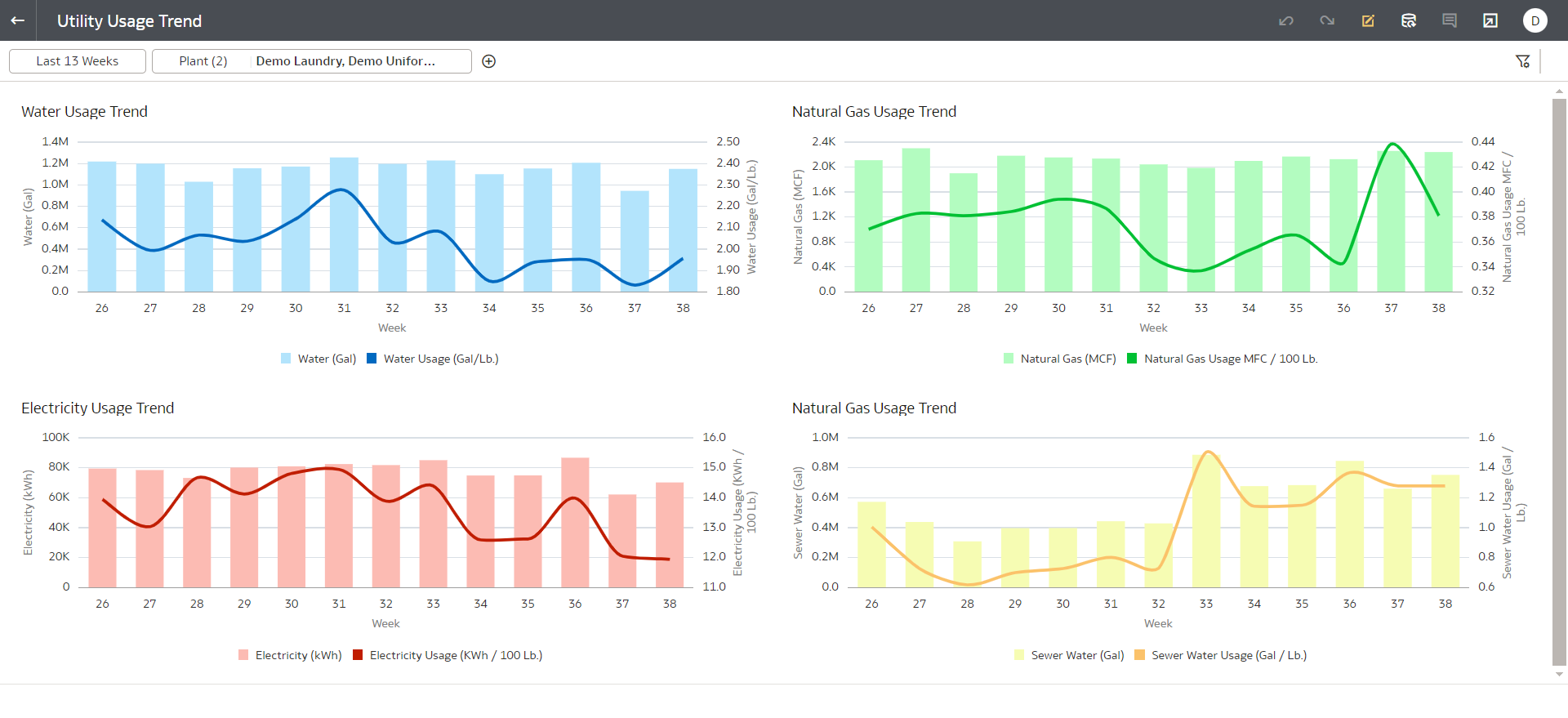
  • Energy and water tracking tools

These systems often operate independently, creating fragmented data landscapes. As a result, organizations struggle to gain a holistic view of their operations.


The Power of Integration

By connecting different data sources, laundries can create a more complete picture of their performance. For example, combining textile data with production metrics enables deeper insights into efficiency and resource usage.

Rob points to integrations with systems such as MES platforms as a critical step forward.

“When you combine operational data with production data, you get a much stronger foundation for optimization.”

ROB HELSEN – CHIEF PRODUCT OFFICER, ABS LAUNDRY BUSINESS SOLUTIONS


From Insight to Action

Integrated data enables laundries to identify opportunities for improvement, including:

  • Reducing energy consumption
  • Optimizing water usage
  • Improving chemical efficiency
  • Enhancing production workflows

These insights allow organizations to move from reactive decision-making to initiative-taking optimization.

“Without data, sustainability remains a concept. With data, it becomes measurable.”

ROB HELSEN – CHIEF PRODUCT OFFICER, ABS LAUNDRY BUSINESS SOLUTIONS


How ABS Approached This Theme

ABS focuses on enabling data integration across systems. By connecting textile management with external data sources, the company helps customers build a unified data environment.

This approach allows laundries to translate raw data into actionable insights.


The Value of Data Lies in the Connection

The future of the laundry industry will be shaped by data-driven decision-making. Organizations that invest in integration and analytics will be better positioned to improve efficiency, reduce environmental impact, and meet evolving expectations.

Data alone is not enough. Its true value lies in how it is connected, interpreted, and applied.