Sustainable transport in industrial laundries

The global conversation around sustainability is increasingly focused on circularity. In the textile industry, this means moving away from a linear model of production and disposal toward one that prioritizes reuse and longevity. Rob Helsen, Chief Product Officer at ABS Laundry Business Solutions, points out that this shift is not only driven by environmental concerns but also by regulatory developments and changing societal expectations.

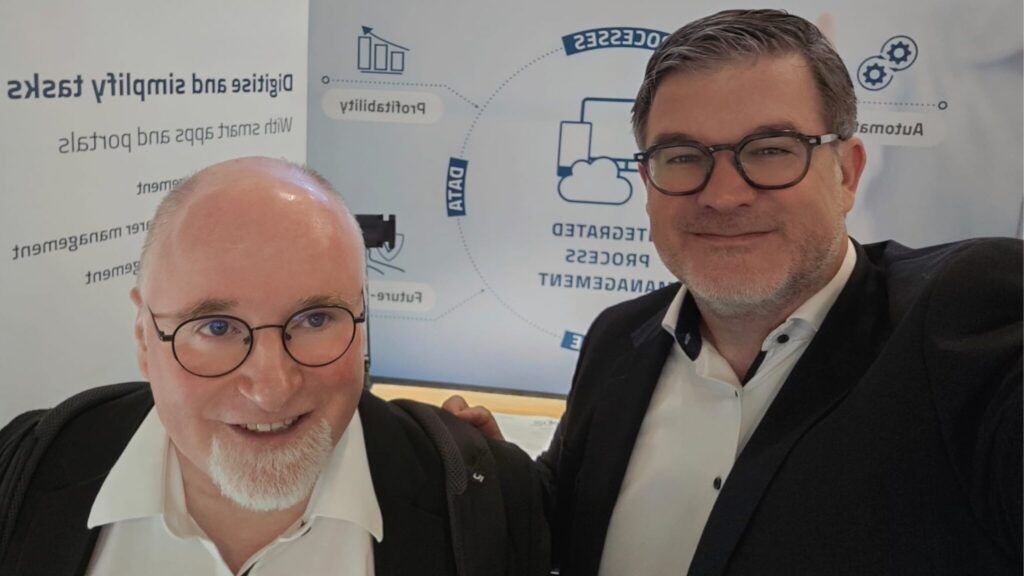
Rob Helsen, Chief Product Officer, ABS Laundry Business Solutions

“The industry is moving toward making textiles last longer and be reused more.”

ROB HELSEN – CHIEF PRODUCT OFFICER, ABS LAUNDRY BUSINESS SOLUTIONS
.

The Problem with Fast Consumption

Fast fashion has highlighted the consequences of overproduction and waste. Large volumes of textiles are produced, used briefly, and discarded, often ending up in landfills.

While industrial laundries operate in a different segment, they are not immune to these broader trends. Customers and regulators are increasingly demanding more sustainable practices.


Regulation as a Catalyst

Governments are beginning to introduce regulations aimed at increasing product durability and repairability. Similar principles are being applied to textiles.

Rob notes that these changes will require organizations to rethink how they manage and reuse materials.

“There will be more requirements to reuse textiles instead of discarding them.”

ROB HELSEN – CHIEF PRODUCT OFFICER, ABS LAUNDRY BUSINESS SOLUTIONS

This includes expectations around repair, repurposing, and lifecycle management.


The Role of Software in Circularity

Software plays a critical role in enabling circular practices. By tracking textile usage, condition, and location, systems can support more effective reuse strategies.

Potential applications include:

  • Identifying reusable textiles
  • Managing inventory for redeployment
  • Tracking lifecycle performance
  • Supporting refurbishment processes

Even partial reuse, such as resizing or repurposing textiles, can significantly extend their lifespan.


Practical Challenges and Opportunities

Transitioning to a circular model is not without challenges. It requires:

  • Operational adjustments
  • New processes for sorting and refurbishment
  • Investment in technology and infrastructure

However, the benefits are substantial:

  • Reduced material costs
  • Lower environmental impact
  • Compliance with emerging regulations
  • Enhanced brand reputation


How ABS Laundry Business Solutions Approaches This Theme

ABS supports textile lifecycle management by enabling better tracking and reuse of materials. While not all aspects of circularity are currently supported, the company is actively evolving its solutions to align with future requirements.

This ensures customers are prepared for upcoming regulatory and market changes.


From Circularity to Sustainable Value

Circularity is no longer a theoretical concept. It is becoming a practical necessity driven by regulation and societal expectations.

For the laundry industry, this represents both a challenge and an opportunity. By embracing reuse and extending textile lifecycles, organizations can reduce waste while creating new value.

The future will belong to those who can combine operational efficiency with sustainable resource management.