Why the most sustainable garment may be the one that does not need replacing
Every repaired garment is a replacement that never has to happen.
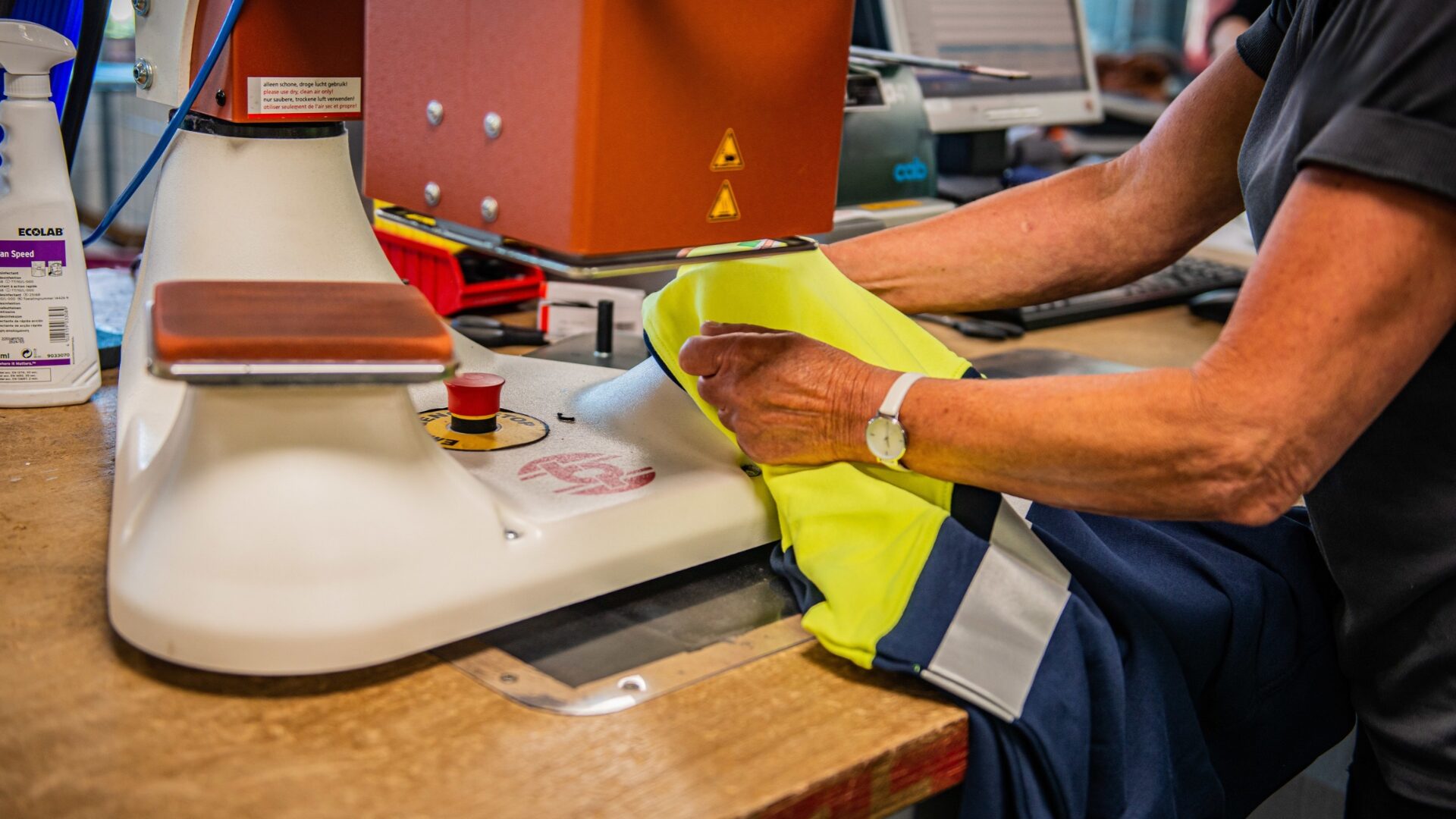
Sustainability discussions in the industrial laundry sector often focus on waste and recycling at the end of a textile’s life. A more practical opportunity sits much earlier, in the many small decisions made on the inspection table every day. A garment with a torn seam can be replaced, or it can be repaired and sent back into service.
Danny Seow, Senior Business Consultant at ABS Laundry Business Solutions, sees these everyday decisions as one of the most overlooked levers for circularity. In his view, the question is not only how to reduce waste, but how to keep useful textiles working for longer.
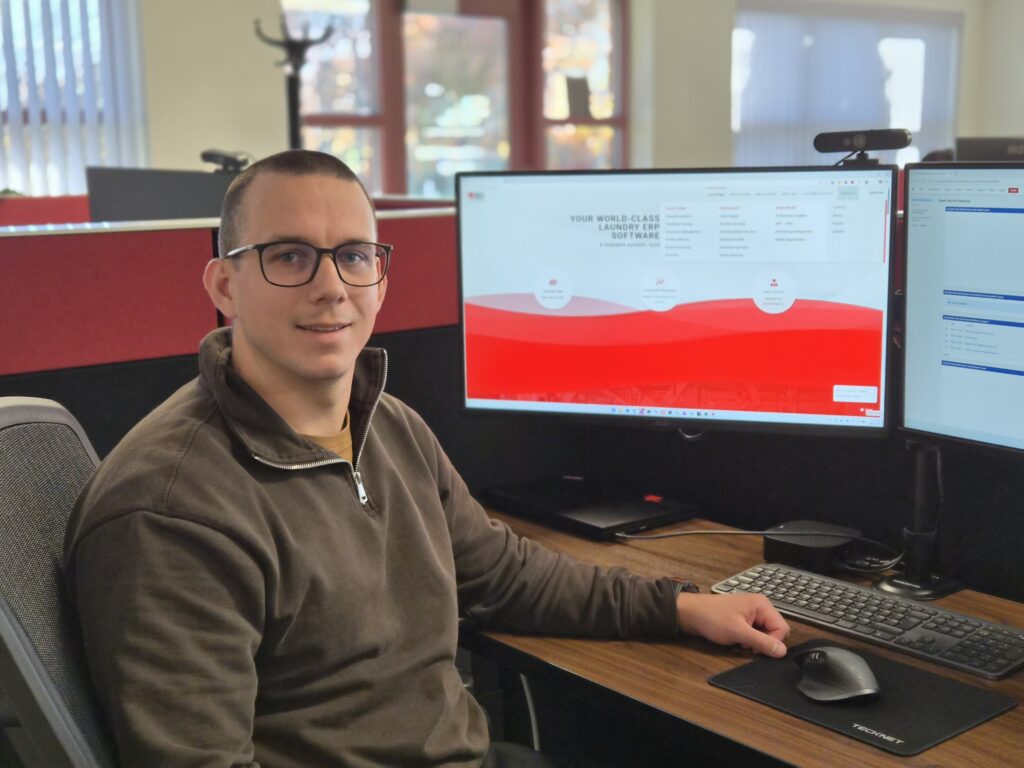
Danny Seow, Senior Business Consultant at ABS Laundry Business Solutions
“The most sustainable textile is often the one already in circulation. Every repair that keeps a garment in service is a replacement that never has to happen.”
DANNY SEOW – SENIOR BUSINESS CONSULTANT, ABS LAUNDRY BUSINESS SOLUTIONS
.
Small Decisions with a Large Impact
A garment reaches the inspection table with a torn seam. The fabric still has useful life, yet replacement often feels like the quickest and safest choice. When this happens across thousands of items, premature replacement quietly becomes a significant cost and a significant source of avoidable waste.
The challenge is consistency. Without information about a garment’s history, staff have to judge each item on its appearance alone. Two colleagues may reach different conclusions about the same garment, and valuable knowledge disappears at the end of every shift.
“Repair should not depend on who happens to be standing at the inspection table. It should be a consistent, informed choice.”
DANNY SEOW – SENIOR BUSINESS CONSULTANT, ABS LAUNDRY BUSINESS SOLUTIONS.
Turning Repair into an Informed Choice
Recording repair activity against each garment changes the nature of the decision. When an item returns, colleagues can combine a physical inspection with its available history. A suitable garment can move through repair and a quality check before returning to service, and the next assessment starts with more context.
This approach builds on three practical steps:
Track usage, condition and location of each textile
Support sorting, repair and redeployment decisions with that information
Treat circular value as an operational goal, not only a waste topic
The skill of the repair team remains central. Data does not replace their judgement; it gives that judgement a stronger foundation.
Learning from Patterns over Time
The real opportunity grows when managers review repair records over time. Recurring defects, repairs compared with subsequent use, and reasons for retirement can all reveal patterns that deserve attention. Such patterns might prompt a discussion about garment suitability or changes in handling.
“Once repairs are recorded, every garment starts telling a story. Managers can see which interventions work and which garments keep coming back for the same reason.”
DANNY SEOW – SENIOR BUSINESS CONSULTANT, ABS LAUNDRY BUSINESS SOLUTIONS.
For staff, this visibility also shows how their maintenance work contributes to keeping textiles in circulation, which turns an ordinary task into a visible contribution to sustainability.
Starting Small and Measuring Progress
A laundry does not need to transform its entire operation at once. A practical starting point is a defined garment category. By tracking continued service after repair and the reasons garments are eventually retired, the team builds evidence of whether the approach delivers the intended benefit.
“Start with one garment category, measure honestly and let the results guide the next step. That is how a repair habit becomes a repeatable process.”
DANNY SEOW – SENIOR BUSINESS CONSULTANT, ABS LAUNDRY BUSINESS SOLUTIONS.
Outcomes always depend on data quality, implementation and the operational decisions made along the way.
Repair Records in ABSSolute
ABSSolute supports repair recording at garment level, giving teams the information needed to make consistent repair and replacement decisions. ABS provides the information behind these decisions, while people remain responsible for judging whether a garment meets the required quality standards.
This combination of practical skill and reliable records helps laundries extend textile lifecycles in a controlled and measurable way.
A Torn Seam as a Starting Point
Circularity in the industrial laundry sector does not start with large programmes. It starts with a torn seam and the choice to repair rather than replace. When that choice is supported by information, it becomes repeatable, measurable and part of everyday operations.
The potential benefit is longer useful life and fewer avoidable replacements. ABS Laundry Business Solutions is committed to helping laundries understand which interventions keep garments doing useful work for longer.