The shift toward remote work has transformed expectations across industries. What was once considered a privilege has become a standard component of modern employment. Flexible working arrangements are increasingly seen as an important part of employment conditions and are becoming a key factor in attracting and retaining talent.
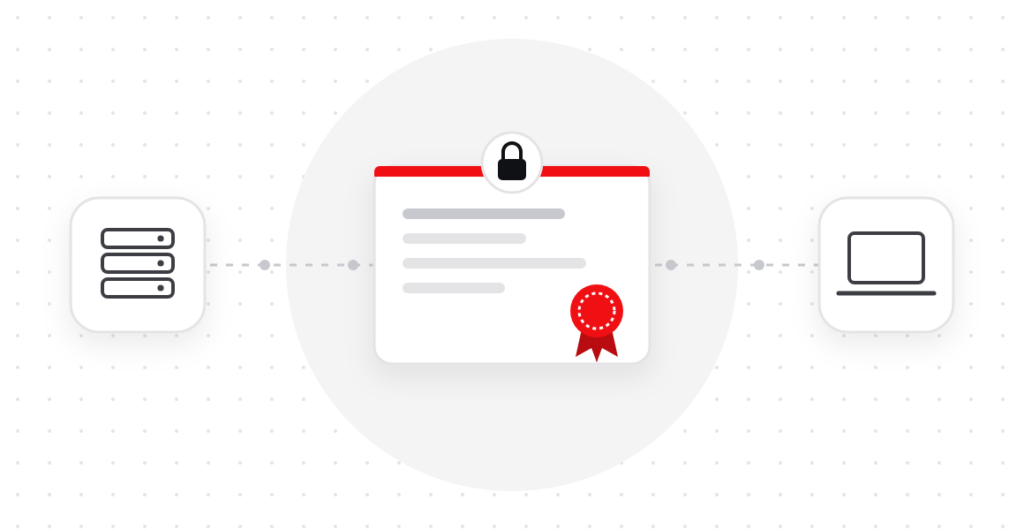
ABS recognizes this structural shift and is embedding remote working capabilities into its future solutions. ABSSolute Infinity will soon support remote access capabilities that enable users to work securely from different locations while maintaining operational control.
Rob Helsen (Chief Product Officer) believes remote work is no longer a temporary trend but a long term development that software providers must actively support.
“Remote work is no longer a nice to have. It has become an expectation and our software needs to support that reality.”
ROB HELSEN – CHIEF PRODUCT OFFICER, ABS LAUNDRY BUSINESS SOLUTIONS
From Exception to Expectation
A decade ago, remote work was rare and often questioned. Today, it is widely accepted and, in many sectors, expected by employees.
Organizations increasingly view workplace flexibility as part of their employment proposition. Rising commuting costs, increased fuel prices, and changing workforce expectations are accelerating this transition.
ABS sees this as a long term shift rather than a temporary trend. As a result, remote working capabilities are being integrated into the ABSSolute Infinity roadmap, with solutions planned for the very near future.
The Limitations of Legacy Systems
Many software platforms in the laundry industry were originally designed around on premise deployment and office based work.
As workforce expectations evolve, these systems can create unnecessary limitations. Employees may be required to travel to a site simply to perform tasks that could potentially be completed remotely.
Rob points out that this particularly affects functions such as:
- Customer service
- Billing and invoicing
- Account management
- Administrative operations
“When fuel prices rise and commuting becomes more expensive, businesses need technology that allows people to work effectively without always being on site.”
ROB HELSEN – CHIEF PRODUCT OFFICER, ABS LAUNDRY BUSINESS SOLUTIONS
Building for Accessibility and Security
ABS is actively developing solutions that will allow ABSSolute Infinity to support secure remote working capabilities within the near future.
The objective is to give users access to critical business information from different locations while maintaining the high standards of security, reliability, and operational control required in industrial laundry environments.
Key considerations include:
- User authentication and identity management
- Data segregation between customers
- Secure cloud environments
- Consistent user experience across locations
The goal is not simply to enable remote access, but to provide a secure and practical foundation for modern ways of working.
The Social Impact of Remote Access
The benefits of remote enabled systems extend beyond convenience.
- Reduced commuting can lead to lower CO₂ emissions.
- Increased flexibility can improve work life balance.
- Lower travel costs can support employee wellbeing.
- Greater resilience during external disruptions.
“Technology can directly support social responsibility, even if that’s not always immediately visible.”
ROB HELSEN – CHIEF PRODUCT OFFICER, ABS LAUNDRY BUSINESS SOLUTIONS
How ABS Approaches This Theme
ABS believes software should evolve alongside changing workforce expectations.
Remote and hybrid working models are becoming a permanent part of business operations. To support this development, ABS is embedding remote working capabilities into ABSSolute Infinity and expects to deliver these capabilities within the next 12 months.
The objective is to provide organizations with greater flexibility while ensuring the security, performance, and reliability required for industrial laundry operations.
By preparing for this next phase of workplace transformation, ABS aims to help customers adapt to changing employment expectations, rising commuting costs, and new ways of working.
Preparing for the Future of Work
Remote work is no longer a temporary response to changing circumstances. It has become a structural part of how many organizations operate and how employees evaluate potential employers.
Factors such as work life balance, commuting costs, fuel prices, and workforce flexibility continue to increase demand for remote working options.
ABS views this as a long term evolution rather than a short lived trend. By developing remote working capabilities for ABSSolute Infinity, the company is preparing customers for the next generation of operational flexibility.
The future of industrial laundry software is not only about efficiency and automation. It is also about enabling people to work effectively wherever they are.
Request a Demo
Discover how ABSSolute Infinity is evolving to support future remote working capabilities while transforming industrial laundry operations.
Request Demo